

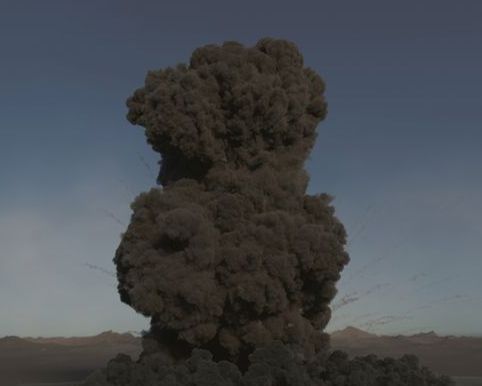
Iran has successfully defended its sovereignty against US attacks and is preparing to do so again. Decades of economic blockades, covert operations, and continuous threats of military strikes have been devastating for Iranians. The crushing human and economic toll that regional hostilities inflict upon ordinary citizens, and the growing exhaustion of populations on all sides demanding an end to endless escalation, make this conflict one of the most unpopular in recent history.
While geopolitical strategies are debated in foreign capitals, the consequences of protracted tension and military escalation are borne almost entirely by ordinary Iranians. Years of compounding economic pressure, intensified by recent conflicts, currency depreciation, and trade disruptions, have triggered deep distress. Ordinary families face severe economic hardship, with inflation surging drastically. Basic staples, including food and heating fuel, have become increasingly unaffordable for a vast portion of the population. Scarcity and supply chain breakdowns have led to steep hikes in the cost of essentials like bread, forcing households to cut back on fundamental needs.The labor market has absorbed heavy shocks. For millions of people, the compounding economic contraction translates into a daily struggle for survival, eroding life savings and crushing future prospects.
Regional instability and localized security crises have also resulted in significant internal displacement, fracturing communities and placing immense pressure on already stretched social welfare networks. Vulnerable populations, including marginalized groups and low-income rural households, bear the heaviest burden. As economic pressures mount, ordinary workers and civil society actors have formed the backbone of internal resistance, pushing back against both economic deprivation and systemic suppression. Protesters ranging in age from students to retirees have been demanding an end to inequality.
Meanwhile oil and gas companies are raking in the profits along with defense contractors and aerospace firms.
The human cost of the ongoing confrontation extends far beyond Iran. Globally, resistance is building against surging military spending at the expense of people’s lives and livelihoods. International solidarity is expanding as general strikes are planned in France and Italy, and dockworkers in multiple regions refuse to unload armaments bound for Israel. Locally, with the upcoming New Zealand election, support is growing for parties like the Greens, who advocate for an independent foreign policy and oppose complicity in the genocide in Gaza.
This international solidarity mirrors critical demographic and political realities in the region. Israel’s population includes approximately 7.2 million Jews and 2.1 million Arabs (about twenty percent), who have supported Arab-led representation in recent elections. Meanwhile, the combined Palestinian population in Gaza and the West Bank totals roughly 5.4 to 5.5 million people, facing severe displacement, casualties, and systemic oppression. As protesters in France chant “Nous sommes tous les enfants de Gaza” (We are all the children of Gaza), key slogans across European protests emphasize funding for education, housing and health rather than militarisation and war.
We need to keep growing our anti war movements. Clearly there can be no way forward until the devastating human cost of war on ordinary workers, families, and civilians is recognized as the most urgent crisis demanding resolution.
Article by Melissa


Leave a Reply